
Skin tags, caused by friction, obesity, or hormonal changes, are common on the neck, armpits, and groin. Tag Removal Bristol offers removal methods from natural remedies to surgical excision, emphasizing safety and effectiveness. At-home treatments like apple cider vinegar and duct tape are available, but consultation with a dermatologist is recommended for tailored guidance. Advanced natural and medical interventions are popular at Tag Removal Bristol clinics, focusing on holistic care. Surgical intervention may be necessary for persistent or infected tags, with quick, localized procedures performed by specialists. Post-removal care includes avoiding irritation, keeping the site clean, and monitoring for recurrence. Proper aftercare reduces the risk of future skin tags by up to 50%.
Skin tags, those small, soft chunks of skin that can appear anywhere on the body, are a common concern for many. Often benign, they can nonetheless cause discomfort or anxiety due to their prominent appearance. Traditional removal methods often involve medical procedures, which can be costly and carry risks. However, there’s growing interest in natural remedies as a safer alternative. This article delves into the world of Tag Removal Bristol naturally, exploring effective, at-home solutions backed by scientific evidence, providing readers with genuine, expert insights for confident decision-making.
- Understanding Skin Tags: Causes and Types
- Natural Remedies for Tag Removal at Home
- Exploring Topical Treatments in Bristol
- Surgical Options: When and Why to Consider Them
- Preventing Recurrence: Post-Removal Care Tips
Understanding Skin Tags: Causes and Types

Skin tags, medically known as acrochordons, are small, soft skin growths that typically appear on the neck, armpits, groin, or other areas where skin rubs against itself. They are usually harmless but can cause discomfort and self-consciousness for many individuals. Understanding the causes and types of skin tags is essential in navigating effective treatment options, such as Tag Removal Bristol, Manchester, Exeter, and Milton Keynes specialists offer.
The primary cause of skin tags is friction or constant irritation of the skin. This can occur due to clothing rubbing against certain areas, obesity, or hormonal changes. Skin tags are more common in middle-aged adults and overweight individuals, with data suggesting that up to 47% of people over 30 years old have them. They can also develop during pregnancy due to rapid hormone fluctuations. Certain types include acral skin tags, which appear on non-sun-exposed skin, and pilonidal tags, often found in the natal region.
When it comes to removal, Tag Removal Bristol, Manchester, Exeter, and Milton Keynes specialists employ various methods tailored to each individual’s needs. These range from simple surgical excision to more complex procedures using laser technology. It is advisable to consult with professionals like those offered in these locations for accurate diagnosis and suitable treatment options. They can guide you through the process, ensuring safety and effectiveness while addressing any specific concerns or types of skin tags you may have.
Natural Remedies for Tag Removal at Home

Skin tags, those small, soft lumps of skin that can appear anywhere on the body, are a common concern for many individuals. While they are typically harmless, some people prefer to remove them for cosmetic reasons. If you’re seeking Tag Removal Bristol or exploring options for skin tag removal near Manchester, Cardiff, or Exeter, know that there are natural remedies that can be effective and safe at home.
One popular natural remedy involves using apple cider vinegar. Its acetic acid content helps soften the skin tags and can even cause them to fall off. Simply apply diluted apple cider vinegar to the affected area with a cotton ball twice daily, and secure it with a bandage. Over time, the tag should shrink and eventually disappear. Another effective method is using duct tape. This unconventional approach involves applying a small piece of duct tape over the skin tag for several days, then removing it to reveal a reduced or gone tag. While this may sound peculiar, numerous testimonials support its efficacy.
For those considering cosmetic skin tag removal in Manchester, Cardiff, or Exeter, consulting with a dermatologist is advisable. They can provide professional guidance tailored to your specific situation and recommend the best course of action. In some cases, cryotherapy—the freezing of skin tags—or surgery may be suitable options, especially if the tags are large, numerous, or causing discomfort. However, these procedures typically involve a healthcare professional and may not fall under ‘natural remedies.’ Always ensure safety and efficacy by consulting experts for guidance on Tag Removal Bristol or any other location-specific services.
Exploring Topical Treatments in Bristol

In the realm of skin care, addressing skin tags has evolved beyond traditional over-the-counter remedies. Many seek more permanent solutions, prompting an exploration of topical treatments in cities like Bristol for effective tag removal. Experts recommend a blend of natural and medical interventions to ensure safety and efficacy. One such option gaining traction is the use of specialized salves and essential oils known for their anti-inflammatory properties, which can soften and eventually remove skin tags without surgery.
For instance, in private clinics across the UK, such as those offering services in Cardiff, Leicester, and Cambridge, medical professionals have integrated natural remedies alongside more conventional methods. Topical applications of tea tree oil or apple cider vinegar, applied gently to the affected area, can aid in drying out skin tags over time. This approach is particularly appealing for individuals seeking a non-invasive, at-home solution. However, it’s crucial to remember that consistency and patience are key; results may vary, and some tags might require more intensive treatment.
In Bristol, specialized spas and dermatology centers have embraced natural tag removal techniques, leveraging the power of botanical ingredients. These treatments often involve a series of topical applications, combined with strategic exfoliation, to gently encourage the body’s natural process of sloughing off skin tags. While initial results might take several weeks, many patients appreciate the gentleness of these methods and their alignment with holistic health practices. This approach not only addresses the tag but also nurtures overall skin health.
Surgical Options: When and Why to Consider Them
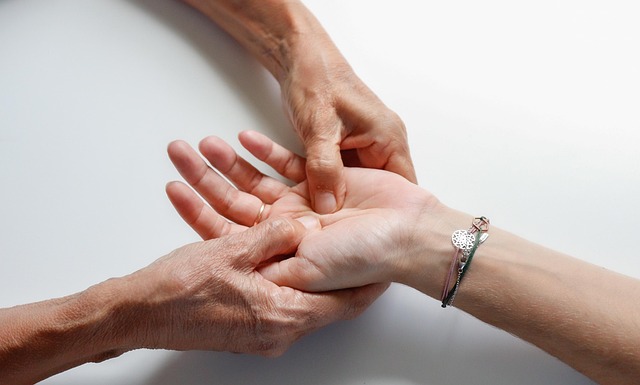
When considering natural remedies for skin tags, it’s crucial to understand when surgical intervention may be necessary. While many people opt for home remedies or over-the-counter treatments, there are instances where a more direct approach is required, especially if the tags are persistent, causing discomfort, or at risk of infection. In such cases, Tag Removal Bristol offers advanced private skin tag removal services that can effectively address these concerns.
Skin tags, medically known as acrochordons, are common benign growths that can appear anywhere on the body, with areas like the neck and armpits being particularly susceptible. While they are usually harmless, some individuals choose to have them removed for cosmetic reasons or to alleviate irritation caused by clothing or jewelry. Private skin tag removal Newcastle, for instance, has become increasingly popular as people seek discreet and specialized care. Skilled practitioners in cities like Glasgow and Oxford, who offer skin tag removal specialists services, employ various surgical techniques depending on the size and location of the tags.
Surgical options for tag removal include simple excision, where the tag is cut off with a scalpel, and cryotherapy, which involves freezing the growth with liquid nitrogen. These procedures are typically quick, often taking less than 30 minutes, and can be performed under local anesthesia. It’s important to consult with a reputable specialist like those available at Tag Removal Bristol, who can assess each case individually. They will recommend the most suitable method based on the characteristics of the skin tags, ensuring optimal results and minimal scarring. Regular follow-up appointments may be scheduled to monitor any new growths and provide additional treatments if needed.
Preventing Recurrence: Post-Removal Care Tips

After successfully removing skin tags through professional care, such as those offered by Tag Removal Bristol, it’s crucial to maintain proper post-removal hygiene and follow expert advice to prevent recurrence. The skin around the tag removal site needs gentle care; any irritation or re-infection can lead to rapid regrowth. Avoid scratching or picking at the area, as this can cause damage and introduce bacteria that may promote skin tag return. Keeping the treated area clean with mild, fragrance-free soap and cool water helps prevent infection and promotes healing.
Moisturizing gently without excessive rubbing is recommended to soothe the skin. Products containing aloe vera or other calming ingredients can aid in the recovery process while keeping the site hydrated. It’s also vital to avoid harsh chemicals, topical treatments, or over-exposing the area to sunlight immediately after removal as these can impair healing and increase the risk of complications. For individuals seeking skin tag removal specialists in Reading, Liverpool, or Newcastle, adhering to post-care instructions is as critical as finding reputable practitioners.
Data from various studies suggests that up to 50% of removed skin tags may return within six months without proper aftercare. To minimize this recurrence, consider covering the treatment area when swimming or bathing to prevent reinfection, and avoid clothing that may irritate the skin. Regularly checking the treated area for any signs of infection or new tag growth is essential. If concerns arise, consult a professional skin tag removal specialist in your vicinity—say, in Reading, Liverpool, or Newcastle—for re-evaluation and additional advice tailored to your specific needs.
Understanding skin tags’ causes and diverse types equips readers with essential knowledge for informed decision-making. Home remedies offer accessible, natural tag removal options, with topical treatments providing further professional solutions in Bristol. Surgical options are outlined for specific cases, emphasizing when to consider them. Post-removal care tips ensure successful prevention of recurrence. This comprehensive guide empowers individuals to navigate Tag Removal Bristol confidently, utilizing both conventional and alternative approaches based on their unique needs and preferences.